Please consult:emt@emtjj.com
Phone/ Whatsapp /WeChat: +86 18098161417(Mr LV)

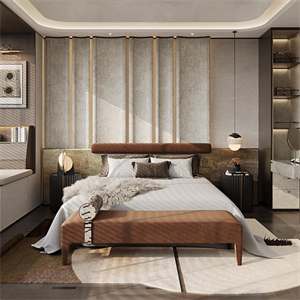
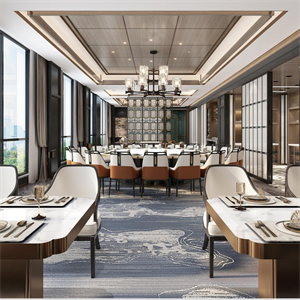
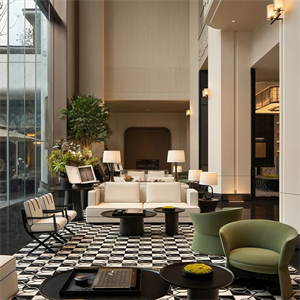
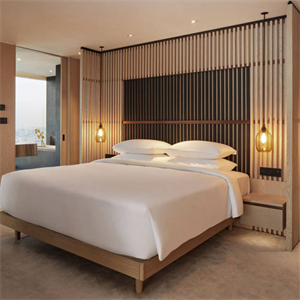
Customizing hotel furniture is a significant investment that impacts guest experience, operational efficiency, and brand identity. Unlike residential furniture, hotel pieces must withstand constant use while maintaining aesthetic appeal. Here are the critical factors hoteliers and designers should consider when embarking on furniture customization.
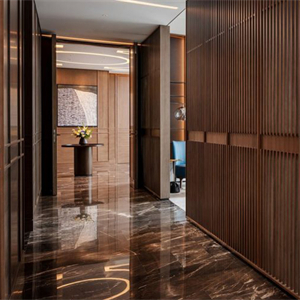
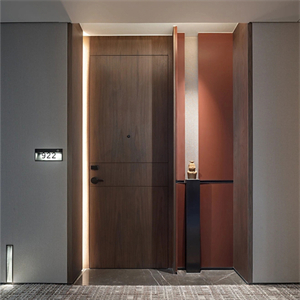
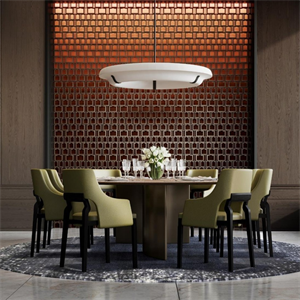
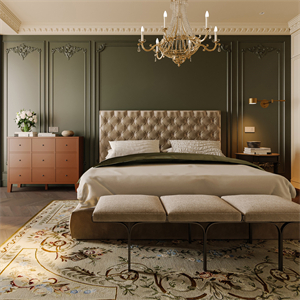
Hotel furniture should reflect the property's unique character and positioning. A luxury boutique hotel requires different design elements than a budget business hotel. The customized pieces must align with the overall interior design concept, color palette, and atmosphere. Consistency across public areas and guest rooms creates a cohesive brand story that guests remember.
Hospitality furniture faces intense daily use. Custom pieces must be constructed from commercial-grade materials that resist stains, scratches, and wear. Consider:
Fabric choices: High-performance, stain-resistant, and fire-retardant textiles
Frame construction: Kiln-dried hardwoods or metal frames rather than particleboard
Finish durability: Scratch-resistant surfaces for case goods and tables
Ease of maintenance: Materials that can be quickly cleaned between guests
The balance between beautiful design and practical durability is essential for long-term value.
Hotel rooms are becoming more compact, making efficient space utilization crucial. Custom furniture should:
Maximize storage without sacrificing comfort
Incorporate multi-functional elements (desks that double as vanities, luggage benches with storage)
Consider ADA compliance and accessible design
Allow for easy reconfiguration when needed
While aesthetics matter, guest comfort ultimately drives satisfaction and repeat business. Pay special attention to:
Mattress quality and support
Seating ergonomics for work and relaxation
Proper desk and chair heights
Accessible lighting controls from furniture positions
Trends come and go, but hotel furniture typically needs to last 7-10 years. Custom designs should balance current aesthetics with timeless appeal. Avoid overly trendy pieces that will date quickly. Instead, incorporate trend elements through easily changeable accessories like cushions, throws, or artwork.
Customization requires careful financial planning. Consider:
Initial investment versus long-term replacement costs
Quality trade-offs that affect lifespan
Potential for phased implementation
Value engineering without compromising essential quality
Custom furniture involves extended production timelines. Factor in:
Design development and sampling time
Manufacturing lead times (often 12-16 weeks)
Shipping and potential customs delays
Installation scheduling and room downtime
Modern travelers increasingly value environmental responsibility. Discuss with manufacturers:
Sustainably sourced materials
Low-VOC finishes for better indoor air quality
Recyclable components
Local manufacturing to reduce carbon footprint
Partner with manufacturers specializing in hospitality projects. They understand the unique demands of the industry and can offer valuable insights. Clear communication about expectations, deadlines, and quality standards is essential throughout the process.
Consider whether pieces can be repurposed or refurbished in the future. Modular designs that allow for component replacement extend furniture life and reduce long-term costs.
Successful hotel furniture customization requires balancing aesthetic vision with practical hospitality demands. By considering durability, functionality, brand alignment, and guest comfort, hoteliers can create spaces that delight guests while delivering strong return on investment. The most successful custom projects result from thoughtful collaboration between designers, hotel operators, and experienced hospitality manufacturers.
Hotline:+86 0757-28787057
Address:Building J, No.1 Fumin Industrial Zone, Taoyuan Town, Heshan City
Mailbox:emt@emtjj.com
Phone:+86 18098161417(Mr LV)
Phone:+86 13501474044(Miss Zhang)
Address:Building J, No.1 Fumin Industrial Zone, Taoyuan Town, Heshan City
Email:emt@emtjj.com
Phone:+86 18098161417(Mr LV)
+86 13501474044(Miss Zhang)

Business


 简体中文
简体中文 English