Please consult:emt@emtjj.com
Phone/ Whatsapp /WeChat: +86 18098161417(Mr LV)

Innovative Designs in Hospitality Furniture for Modern Hotels
The modern hotel landscape has shifted dramatically over the past decade. No longer viewed merely as a place to sleep, today’s hotels serve as social hubs, remote workspaces, and aesthetic retreats. At the heart of this transformation lies a crucial yet often understated element: hospitality furniture. Innovative furniture design is now a strategic tool for hotels looking to differentiate themselves, enhance guest experience, and maximize operational efficiency.
1. The Rise of Fluid, Multi-Functional Pieces
One of the most significant trends in modern hotel furniture is multi-functionality. With urban real estate at a premium and the rise of compact "micro-hotels," designers are creating pieces that serve more than one purpose without compromising on style.
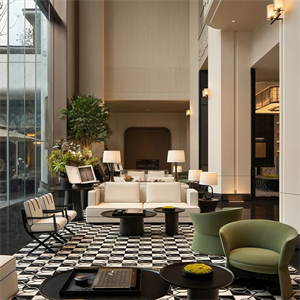
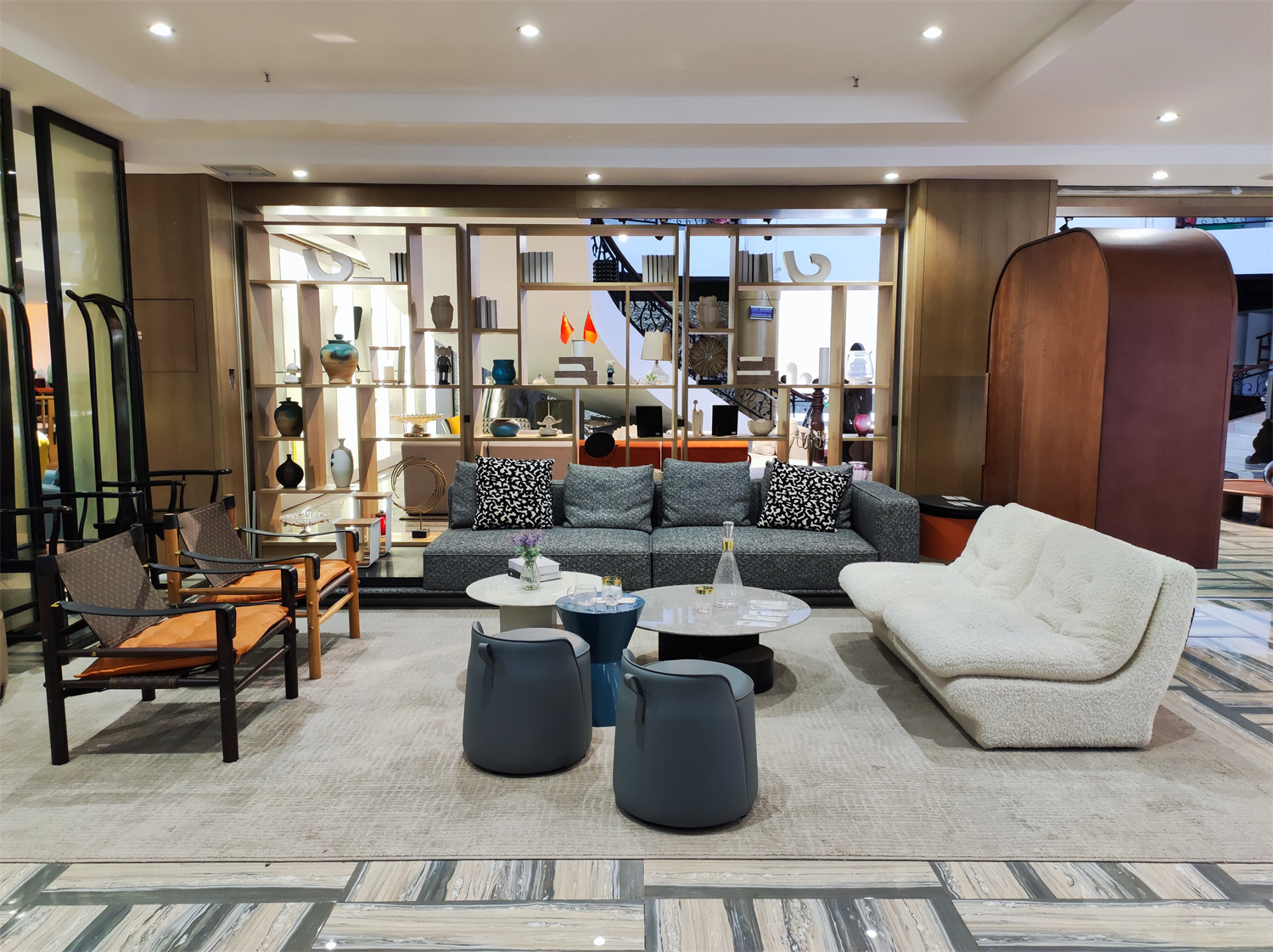
Modular Seating: Lobby sofas and benches can be reconfigured into different layouts for solo travelers, business meetings, or social gatherings.
Convertible Desks: In guest rooms, desks now double as vanity tables or dining surfaces, often with integrated power outlets and USB ports.
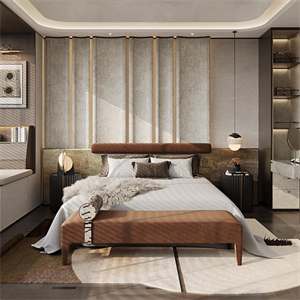
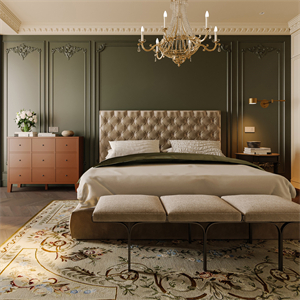
Storage-Integrated Beds: Platform beds with built-in drawers and luggage racks eliminate the need for separate bulky furniture, creating cleaner, more spacious room layouts.
2. Biophilic Design & Natural Materials
Post-pandemic travelers are seeking connections to nature, even indoors. Biophilic design—using natural materials, textures, and forms—has moved from a niche concept to a mainstream expectation in hospitality.
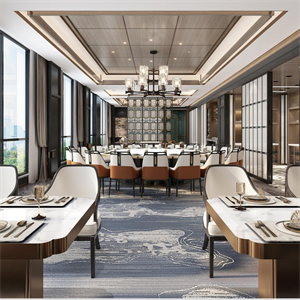
Live-Edge Wood Tables: Reclaimed or sustainably sourced wood with organic shapes brings warmth and uniqueness to restaurants and lobbies.
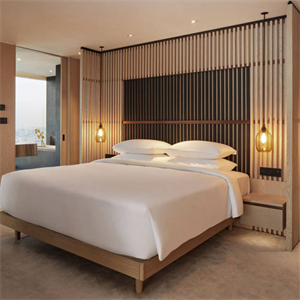
Rattan, Bamboo, and Cane Webbing: These lightweight, breathable materials are reappearing in headboards, room dividers, and lounge chairs, offering a sense of airy relaxation.
Stone and Terrazzo Accents: Durable yet visually striking, these materials are used for tabletops and bar fronts, bridging the gap between luxury and durability.
3. Technology-Integrated Furniture
Modern guests expect seamless connectivity. Innovative furniture now discreetly embeds technology where it matters most.
Smart Nightstands: Featuring wireless charging pads, programmable lighting controls, and Bluetooth speakers embedded directly into the wood.
Privacy Pods: In lobbies and co-working spaces, acoustic seating pods with integrated power, reading lights, and semi-enclosed designs allow guests to take calls or work without distraction.
Self-Cleaning Surfaces: Some high-end hospitality lines are introducing antimicrobial finishes and UV-C light-integrated wardrobes, responding to heightened hygiene awareness.
4. Bold Aesthetics & Social Media-Ready Design
The "Instagrammable" moment has real commercial value. Hotels are investing in statement furniture that encourages sharing on social media.
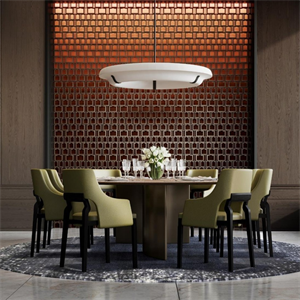
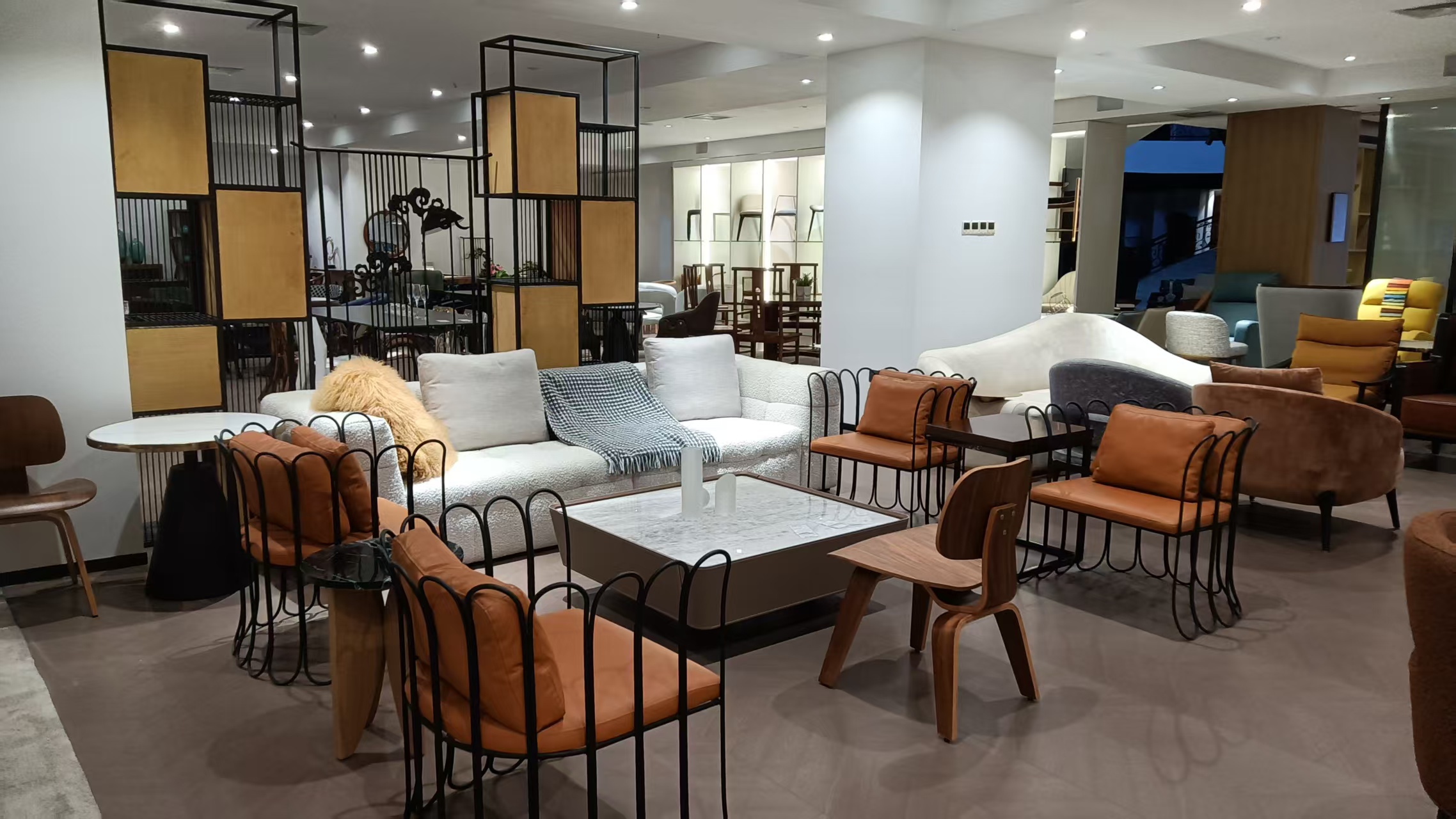
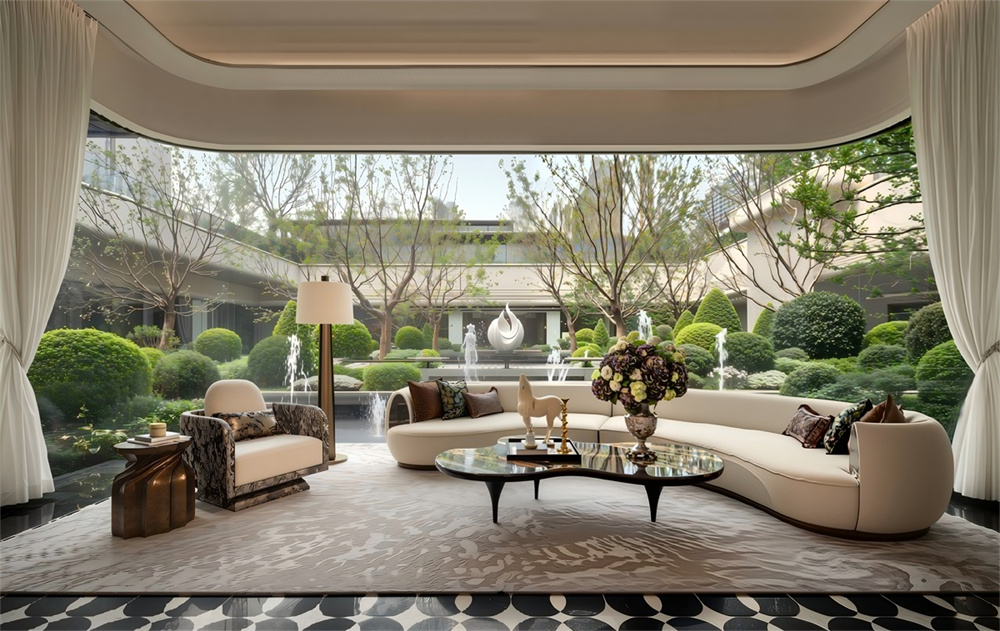
Sculptural Chairs and Sofas: Asymmetrical shapes, oversized proportions, and unexpected color blocking create visual anchors in public areas.
Artistic Check-In Desks: Free-standing, pod-like reception desks that look more like art installations than functional workstations.
Themed Furniture Collections: Some boutique hotels commission limited-edition pieces from local artisans, blending local culture with contemporary design.
5. Durability Meets Sustainability
Hotels face intense wear and tear, yet sustainability is no longer optional. Innovative manufacturers are answering with materials that are both tough and eco-friendly.
High-Performance Fabrics: Solution-dyed acrylic and recycled polyester fabrics that resist stains, fading, and abrasion, often made from post-consumer plastic bottles.
Powder-Coated Metals and Recovered Teak: For outdoor and high-traffic areas, these materials offer longevity without frequent replacement.
Circular Design: Furniture designed for disassembly—where legs, cushions, and frames can be easily separated and recycled at end of life—is gaining traction among eco-conscious brands.
Conclusion
For modern hotels, furniture is more than just décor—it is a silent storyteller and a functional partner in guest experience. The most successful hospitality spaces today blend flexibility, nature, technology, and artistry into every chair, table, and bed. As guest expectations continue to evolve, so too must the furniture that shapes their stay. Hotels that embrace these innovative designs will not only stand out in a crowded market but also build lasting loyalty, one thoughtful piece at a time.
Hotline:+86 0757-28787057
Address:Building J, No.1 Fumin Industrial Zone, Taoyuan Town, Heshan City
Mailbox:emt@emtjj.com
Phone:+86 18098161417(Mr LV)
Phone:+86 13501474044(Miss Zhang)
Address:Building J, No.1 Fumin Industrial Zone, Taoyuan Town, Heshan City
Email:emt@emtjj.com
Phone:+86 18098161417(Mr LV)
+86 13501474044(Miss Zhang)

Business


 简体中文
简体中文 English