Please consult:emt@emtjj.com
Phone/ Whatsapp /WeChat: +86 18098161417(Mr LV)

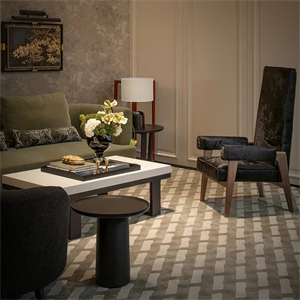
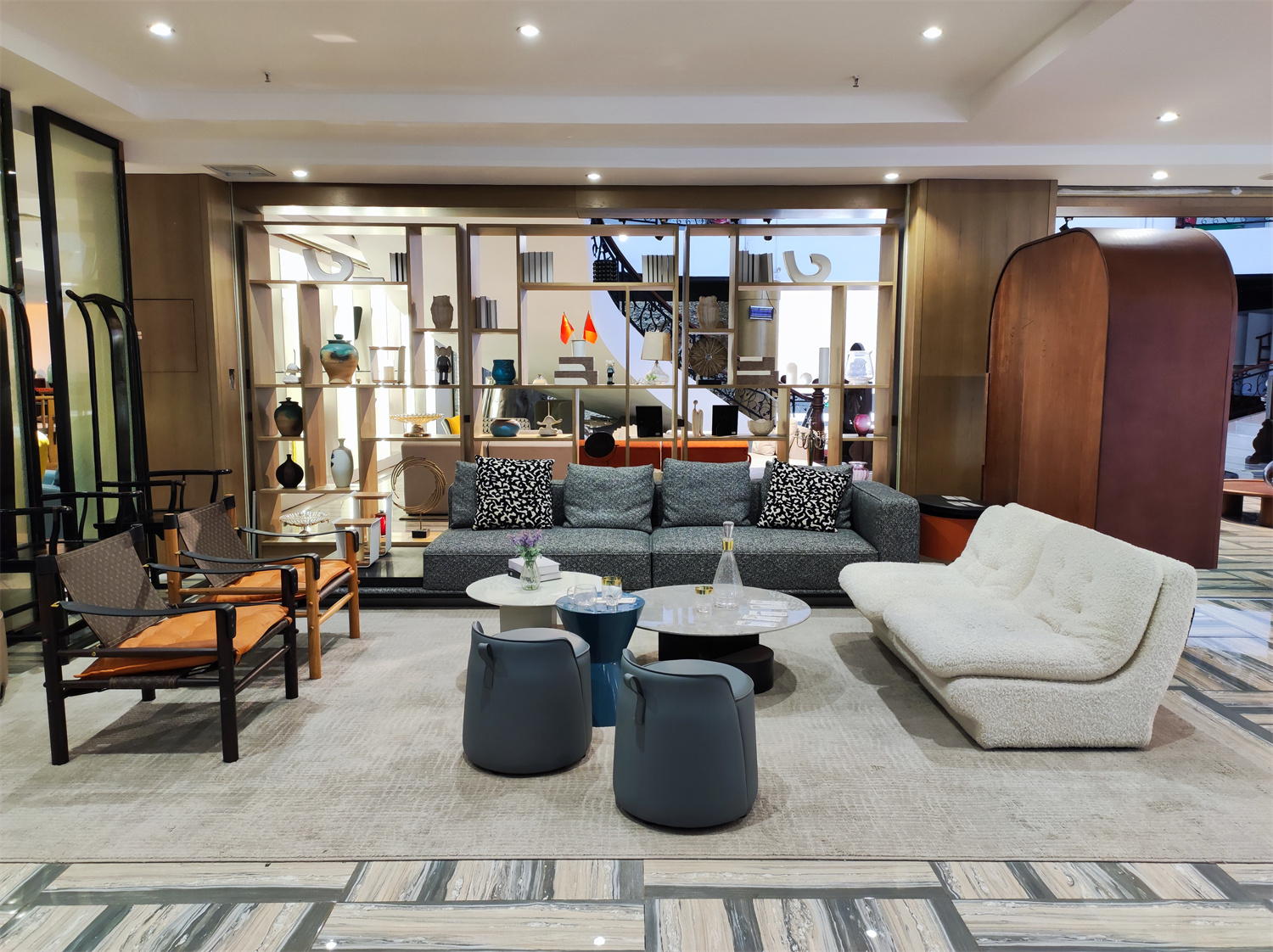
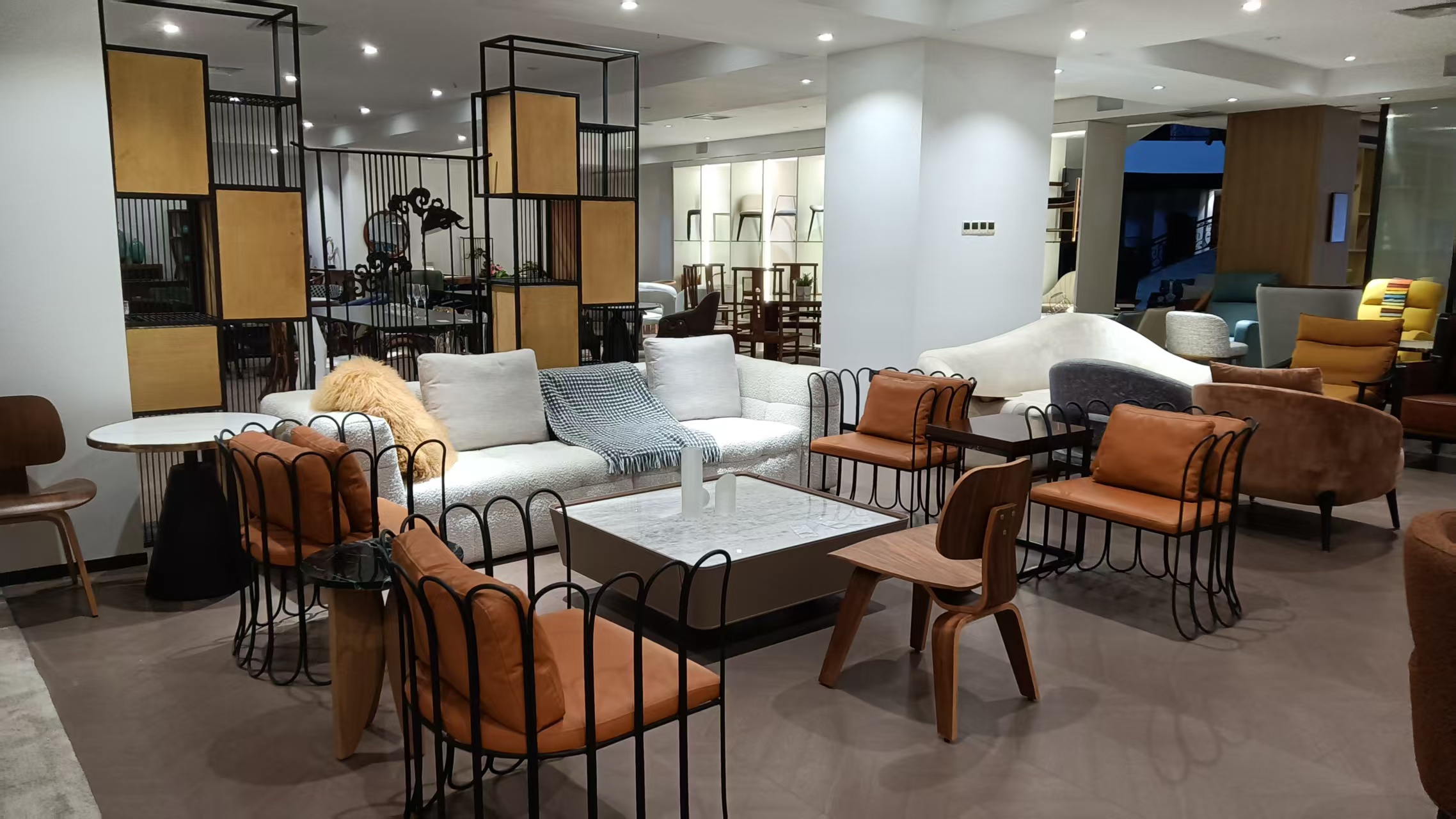
Restaurant furniture used to be treated as a decoration budget line. It is now a business decision. As hospitality operators worldwide fight rising labor costs, faster renovation cycles and guests who judge a venue within the first thirty seconds of seating, the furniture on the floor has become one of the few assets that affects revenue, operating cost and brand perception at the same time.
EMT JUFU , a hospitality furniture manufacturer supplying hotels, resorts and food-and-beverage projects, today outlined five directions it believes will define restaurant furniture over the next hospitality cycle — and the manufacturing discipline required to deliver them at project scale.
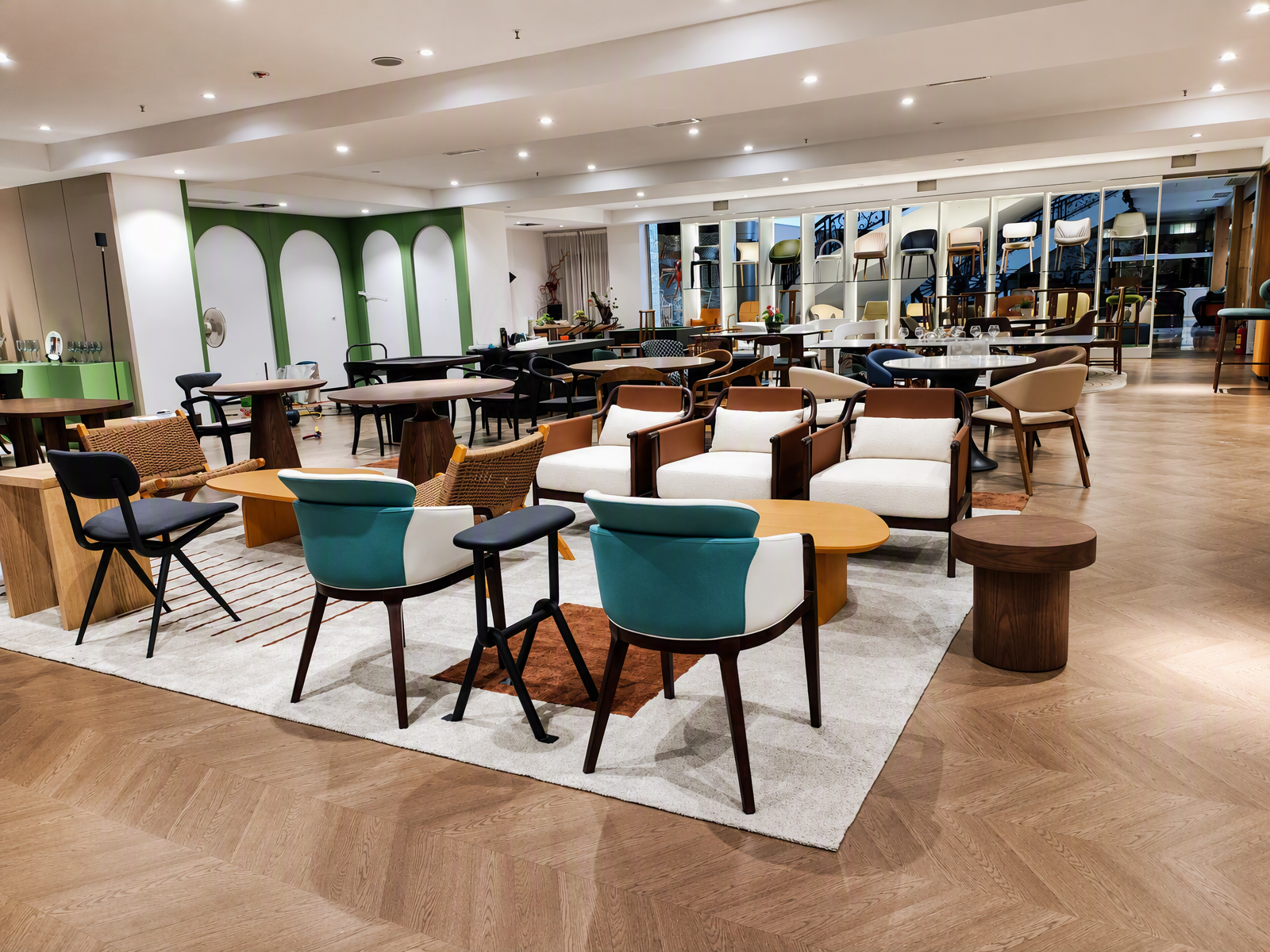
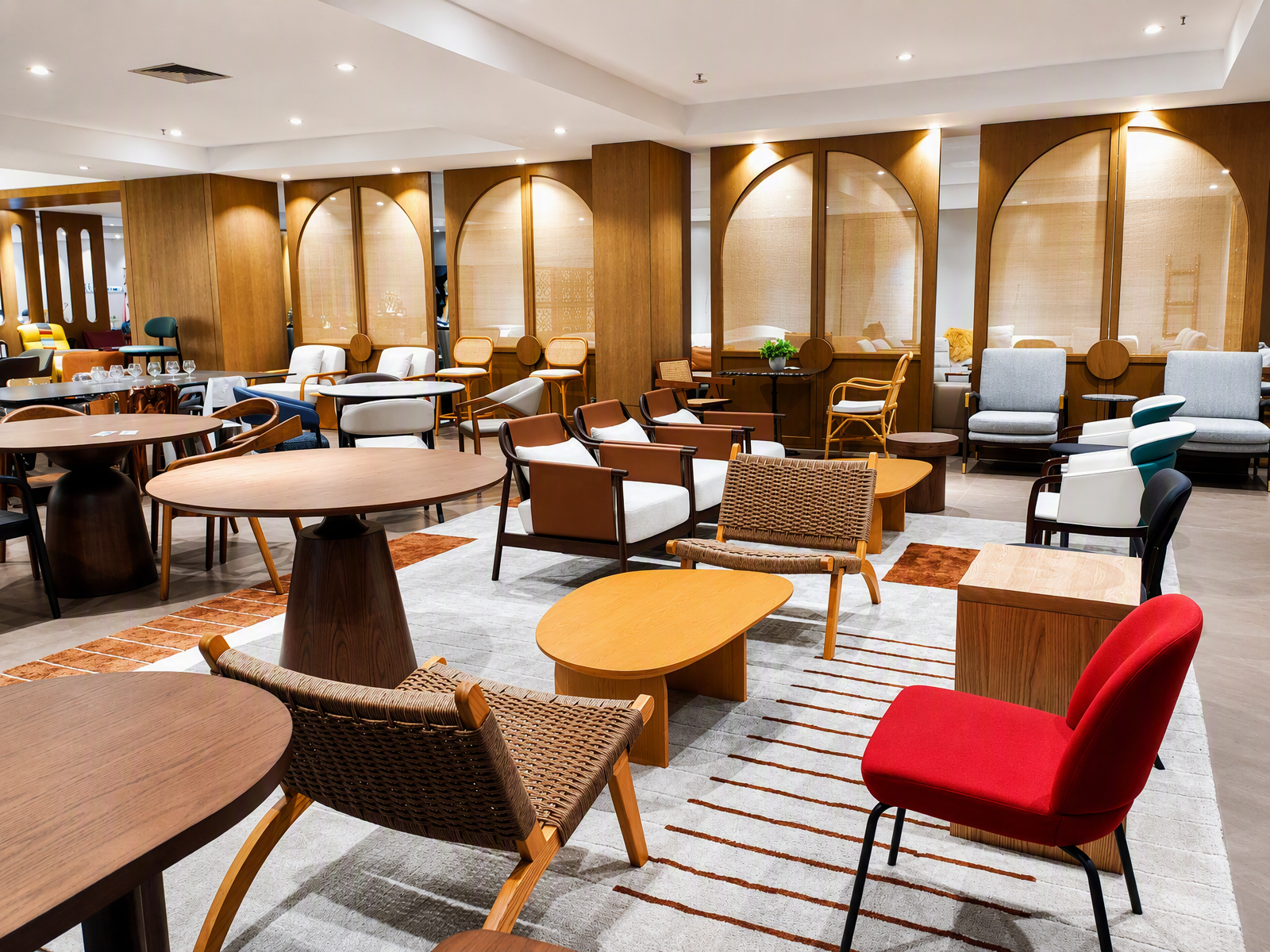
The single most requested change from operators is flexibility. A restaurant floor that serves breakfast, lunch, afternoon coffee and dinner has four different seating requirements in one day, and fixed banquettes built for only one of them waste the other three.
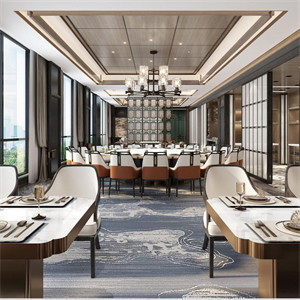
The response is modular: banquette runs assembled from standard modules, benches that combine with separate backs and occasional tables, and stackable chairs engineered to remain structurally sound after thousands of stacking cycles. Zoning — a raised booth cluster for dinner, loose seating for the daytime trade, a convertible private area for events — lets the same footprint trade at a higher average check without a redesign.
A residential dining chair and a restaurant chair are different products. Restaurant furniture is exposed to spilled liquids, hot plates, cleaning chemicals, direct sunlight and continuous load.
Three specifications matter most in practice:
Structure: solid hardwood frames with mortise-and-tenon joinery, correctly dried and kiln-stabilized, rather than the glued dowel construction common in residential pieces.
Surface: high-performance commercial finishes on solid wood and veneer — including high-pressure laminate (HPL) panels for high-contact table tops, where heat and scratch resistance are non-negotiable.
Upholstery: contract-grade performance fabrics, high-density molded foam that resists collapse, and covering that is replaceable on site so a torn seat does not become a discarded frame.
The distinction between panel, veneer and solid plank — and their appropriate placement — decides whether a specification survives three years of daily service or fails in the first six months.
Open dining rooms are louder and turn tables slower. Booth backs, upholstered screens and fabric-wrapped panels are increasingly specified as acoustic elements, not just visual ones. Ergonomic seat height, seat depth and back angle — checked against real service use rather than a rendered elevation — affect how long a guest stays and whether they return. Furniture that a guest remembers as uncomfortable cannot be rescued by any menu.
Innovation in furniture is only credible if it can be repeated across 200 guest rooms or a 300-seat restaurant. EMT JUFU operates an 18-gate quality control system across three phases — incoming material inspection, in-process inspection, and final and pre-shipment inspection — supported by three layers of inspection and 100% traceable records.
Every unit can be traced by its work-order number back to material batch, operator, inspector and inspection time. The company's stated position is that "quality problems are never settled inside the factory" — that is, a defect cannot be closed by internal rework and then shipped; the criteria, the record and the responsible owner must exist at every gate, with no undefined criteria left in the process (its internal target is zero "grey areas").
For hospitality groups with published ESG targets, the most defensible sustainability argument is not a material claim but a service-life claim: furniture that can be repaired and re-covered in place, and that keeps its structure after a decade, avoids the transport, waste and cost of a full refit. Designing for disassembly, standardizing hardware, and holding spare upholstery and finish references for years are unglamorous innovations that show up directly in total cost of ownership.
The gap between a design concept and a restaurant that opens on schedule is where most furniture programs fail. EMT JUFU works with design teams and operators on OEM and ODM projects — developing from shop drawings, mock-up samples and material palettes through production, pre-shipment inspection and container loading, with hospitality references including hotel and resort projects in China, Africa and the Middle East such as Jinmao Grandee Hotel Nanchang and Meliá Seychelles.
EMT JUFU is a hospitality furniture manufacturer serving hotel, resort and restaurant projects, with an emphasis on end-to-end traceability: from incoming inspection to outgoing inspection, every step recorded and traceable. The company operates an 18-gate quality control system, seven major quality mechanisms and a 100% traceable production archive, and offers OEM/ODM development for international hospitality clients.
Hotline:+86 0757-28787057
Address:Building J, No.1 Fumin Industrial Zone, Taoyuan Town, Heshan City
Mailbox:emt@emtjj.com
Phone:+86 18098161417(Mr LV)
Phone:+86 13501474044(Miss Zhang)
Address:Building J, No.1 Fumin Industrial Zone, Taoyuan Town, Heshan City
Email:emt@emtjj.com
Phone:+86 18098161417(Mr LV)
+86 13501474044(Miss Zhang)

Business


 简体中文
 English